




















As a teenager and into my younger adult years, I was a skeptic about the existence of God. I wasn’t an atheist – I allowed for the possibility that God exists, but I thought it was more likely than not that He didn’t. I have a very logical mind, and I have trouble accepting things based solely on faith. I need evidence and proof in order to accept things as true.
Despite my skepticism, I wanted to believe in God, but I needed to find that evidence and proof in order to truly and honestly get there. In my 30s, I did a deep dive into this question, and although I’m Jewish, it was Christian theologian C.S. Lewis who offered a logical syllogism for the existence of God in his book Mere Christianity that changed my mind. Ever since, I’ve been convinced that it is more likely than not that God does exist.
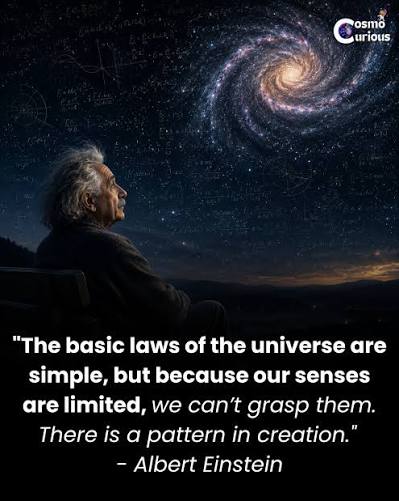
Over the years, my belief has strengthened. The more that science has explained the details and mysteries of the universe, the more convinced I have become that this could not have all “just happened.” The universe, from the subatomic to the astronomic levels, is just too ordered for it to have gotten this way randomly. Life could not have happened randomly. Ecosystems with laws of nature that are consistent and never waver cannot be random. The human ability to reason and figure all of this stuff out cannot be random. And a self-apparent universal moral code that works and serves the interests of humanity every time it is employed cannot be random.
Some scientists like to argue that our increasing understanding of the nature of the universe demonstrates that God doesn’t need to exist because there is a natural explanation for everything in the universe. I draw the opposite conclusion: I think it defies credulity that the complexity of the universe and the unwavering laws of physics that keep it all working “just happened.” The more we learn about the organized complexity of these systems at every level of the universe while recognizing that they are ALWAYS there and working, the more I think it is far more logical and likely that all of this had to have been created by an intelligent and deliberate higher power.
I don’t know that I believe that everything in the Torah or other scriptures is literally true. I’m not even sure that God delivered the Ten Commandments to us (although I certainly allow for the possibility). What I do know is that if God exists and created the universe around us, which I believe is true, then we have to consider it a privilege to have been born and given a place in God’s creation. Whether or not the Ten Commandments came from God, we owe it to Him out of respect and appreciation for the universe he created for us to be good stewards of that creation. That means dedicating ourselves to living moral lives that are consistent with the dictates of the Ten Commandments. It doesn’t take a belief in the divinity of the Ten Commandments to understand that the privilege of having been born and to live in this wondrous universe that God created for us requires us to be moral while we are here to enjoy that privilege.